Stitching Sentiment: A Designer’s Review of My Heart Belongs to Gramps
As a designer who spends half my life digitizing files and the other half watching needles punch through fabric, I have learned that not every cute graphic translates well to thread. We see thousands of T-Shirt Designs and digital Graphics flood the market, but few survive the transition from screen to stitch without losing their charm or structural integrity. Today, I am pulling back the curtain on a specific file that has been circulating among crafters: My Heart Belongs to Gramps. This is not just a quick glance; this is a practical evaluation for those of us building real businesses and creating tangible heirlooms.
First Impressions and Visual Mood
When I first loaded the My Heart Belongs to Gramps design into my viewer, the immediate impression was one of warmth and simplicity. The layout relies on a classic typographic hierarchy paired with a central heart motif. For embroidery, this is often a double-edged sword. Text-heavy designs can become muddy if the lettering is too thin, while large solid shapes can pull fabric if the density is too high. However, the balance here feels intentional. The mood is nostalgic yet modern, fitting perfectly into the current trend of personalized family gifts. It does not scream for attention with neon colors or complex gradients; instead, it invites a closer look, which is exactly what you want in a handmade product.
Real-World Application: The Sweatshirt Test
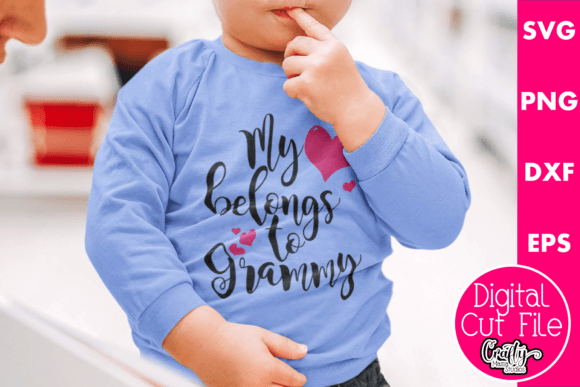
To truly judge a design, you must imagine it on a finished item. I visualized this design on a heather grey crewneck sweatshirt, a staple for any craft business inventory. The phrase "My Heart Belongs to Gramps" suggests a gift from a grandchild, likely for Father’s Day, Christmas, or a birthday. On a sweatshirt, the design sits comfortably on the left chest or centered on the back. The spacing allows for clean stitching without requiring excessive jump stitches that can snag on fleece. If you are an Etsy seller, this versatility is key. It works equally well as a sweatshirt embroidery piece for adults or scaled down for a baby embroidery project on a onesie. The emotional resonance drives sales, but the technical execution ensures returns remain low.
Navigating Fabric and Hoop Constraints
While the design is forgiving, it is not invincible. As experienced decorators know, fabric texture dictates success. On a smooth cotton twill, such as a tote bag or apron, the lines will appear crisp. However, placing this on a textured waffle knit or a loose-weave linen requires caution. The smaller details in the heart shape might get lost if the stitch density is not optimized for the material. I recommend using a cut-away stabilizer for stretchy fabrics like jersey knits to prevent distortion over time. For rigid items like caps, the curved surface demands careful hooping. If you are attempting a custom apparel run, always test on scrap fabric first. Check how the thread colors interact with the background. A dark navy shirt might require a lighter thread for the text to maintain readability, whereas a white tee offers maximum contrast.
Technical Considerations for Digital Files
The product description notes that the download includes SVG, EPS, DXF, and PNG formats. It is crucial to distinguish between cutting files and embroidery files. While SVGs are excellent for Cricut or Silhouette users making vinyl decals, embroidery machines require specific digitized formats like PES, DST, or JEF. If you are using this as a reference for manual digitizing, the vector paths in the SVG provide a clean outline. However, if you are looking for a ready-to-stitch machine embroidery design, ensure you have the correct conversion or digitized version. Never assume a cut file is stitch-ready. Always inspect the pathing. For those creating an applique design, this graphic serves as an excellent template for fabric placement, allowing you to reduce stitch count and add texture through material choice rather than thread alone.
Commercial Viability and Brand Consistency
For small shop owners, consistency is currency. My Heart Belongs to Gramps fits seamlessly into a broader collection of family-centric design assets. It pairs well with similar quotes for Grandma, Mom, or Dad, allowing you to create cohesive bundles. This increases the perceived value for buyers looking to outfit an entire family. When listing this as a small shop product, focus on the emotional angle in your marketing. Use high-quality printable mockup images that show the texture of the thread. Customers need to see the dimensionality of the satin stitch or fill stitch work to trust the quality. A flat digital image rarely sells the tactile experience of embroidery.
Practical Notes for the Embroiderer
Before you commit to a full production run, consider these professional tips:
- Test Stitch Density: Run a sample on the actual garment fabric. If the heart shape looks too dense, adjust the underlay or reduce the fill density to prevent puckering.
- Check Small Details: Zoom in on the lettering. Ensure the serifs or curves are wide enough to be caught by the needle. Tiny gaps can lead to thread breaks or messy finishes.
- Contrast is Key: Test the design in black and white mockups. If the text disappears against the background in monochrome, it will likely lack definition in color too.
- Licensing Verification: Always confirm the license terms. While many files allow for commercial use on physical items, selling the digital file itself is often prohibited. Protect your business by reading the fine print.
- Hoop Size Selection: Choose the smallest hoop that comfortably fits the design. This minimizes fabric movement and ensures tighter registration.
Final Verdict on Project Fit
In the realm of holiday embroidery and personalized gifts, My Heart Belongs to Gramps stands out as a reliable, emotionally resonant choice. It is not overly complex, which makes it accessible for beginners, yet it has enough character to satisfy seasoned professionals looking for quick-turnaround items. Whether you are creating an embroidered patch for a jacket or a tote bag design for a family reunion, this graphic holds up. It respects the limitations of the medium while maximizing the emotional impact. For the creative entrepreneur, it represents a low-risk, high-reward addition to your catalog. Just remember: the magic lies not just in the file, but in the care you take during the stitching process. Treat each piece with intention, and your customers will feel the difference in every loop of thread.