Christmas Junkie: A Designer’s Review for Holiday Stitching
As an embroidery designer who has spent countless hours digitizing and testing files for client work, I approach every new machine embroidery design with a mix of curiosity and skepticism. The holiday season is notoriously crowded with cliché motifs, so when I came across Christmas Junkie, I wanted to see if it offered enough visual personality to stand out in a saturated market. This isn’t just about downloading a file; it’s about understanding how a graphic translates into thread, how it behaves on different textiles, and whether it adds genuine value to a handmade product.
First Impressions and Visual Personality
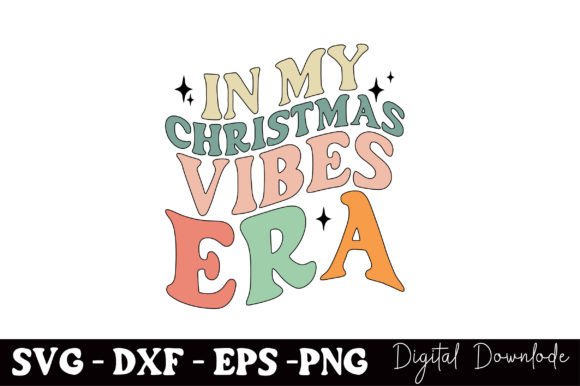
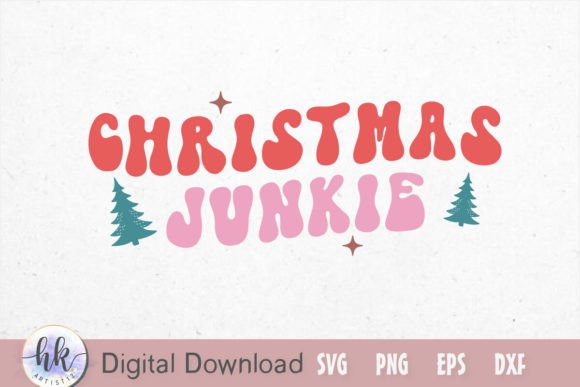
The first thing that strikes you about Christmas Junkie is its retro aesthetic. It doesn’t try to be overly ornate or traditionally elegant. Instead, it leans into a playful, bold vibe that feels right at home on modern casual wear. The layout is compact, fitting within a 6×6 inch square, which is a versatile size for many standard hoops. As a Graphics asset, the SVG and PNG files provided are clean, with a transparent background that makes digital mockups straightforward. However, for us embroiderers, the real test is how those clean vector lines translate into stitch paths.
The mood is lighthearted and fun. It’s not a design for a formal heirloom quilt; it’s for the person who wears their love for the holidays on their sleeve—literally. This distinction is crucial when deciding where to place it in your product line. It appeals to a younger demographic or anyone with a sense of humor about their seasonal enthusiasm.
Real-World Application: The Sweatshirt Test
To evaluate Christmas Junkie properly, I visualized it on a few common substrates. My primary test case was a custom sweatshirt embroidery project for a local boutique client. They wanted something eye-catching but not so dense that it would weigh down the garment or cause puckering. Given the retro style, a crewneck sweatshirt in heather grey or forest green seemed like the perfect canvas.
When planning this embroidery project, I considered the stitch types likely required. A design with this kind of bold, graphic feel often benefits from a mix of satin stitch for outlines and text, and fill stitch for larger solid areas. If the digitizer has balanced the stitch density well, the result should be smooth and vibrant. On a thick fabric like fleece or French terry, the design needs enough underlay to prevent sinking, but not so much bulk that it becomes stiff. In my mental simulation, Christmas Junkie holds up well here because its shapes are relatively open, avoiding the trap of excessive density that plagues many holiday designs.
Versatility Across Crafts and Apparel
Beyond apparel, this design has legs in other areas of Crafts. I can easily see it working as a tote bag design. Canvas bags are sturdy and handle embroidery beautifully, making them ideal for holiday gift markets. The 6×6 inch size is large enough to be readable from a distance but small enough to fit comfortably on a standard tote without overwhelming the fabric weave.
For Etsy sellers and small shop product creators, versatility is key. This file could also serve as an embroidered patch base. If you stabilize correctly and use a tear-away backing, you can create iron-on or sew-on patches that customers can apply to jackets or hats later. This expands the utility of the digital embroidery file beyond direct stitching. Additionally, for those who sell printable mockup assets or design assets, the included PNG with 300 dpi resolution is a valuable bonus for creating professional-looking listings without needing to stitch every sample physically.
Technical Considerations and Fabric Choices
While Christmas Junkie is forgiving, it is not immune to the physics of embroidery. Here are some practical notes for ensuring a high-quality finished product:
- Fabric Texture: On textured fabrics like waffle knit or heavy linen, ensure your thread colors have enough contrast. Low-contrast threads on high-texture fabrics can make details disappear.
- Stabilizer Selection: For stretchy fabrics like t-shirts or baby clothes, a cut-away stabilizer is non-negotiable to maintain shape after washing. For stable fabrics like canvas or denim, a tear-away may suffice, but always test first.
- Hoop Size: Confirm your machine’s hoop capacity. While 6×6 inches is standard for many mid-arm machines, always check your specific model. If you are working with a smaller 4×4 hoop, this design will need to be resized, which could affect stitch clarity.
- Dark Fabrics: If stitching on black or navy, consider using a white or light-colored underlay or top-stitching to ensure the retro colors pop. Dark fabrics can swallow darker thread shades.
Commercial Use and Licensing
For commercial embroidery professionals, licensing is critical. The product description mentions it is perfect for crafting projects, but it does not explicitly detail the commercial license terms for selling physical goods. Before listing custom apparel or personalized gift items featuring Christmas Junkie on your store, you must verify the license included with the download. Most designers allow selling finished physical items, but restrictions may apply to mass production or digital resale. Always read the fine print to protect your craft business.
Final Verdict for Designers
Christmas Junkie is a solid addition to a holiday library, particularly for those targeting a fun, retro market. It avoids the pitfalls of overly complex detailing that can lead to thread breaks and frustration. Its strength lies in its simplicity and bold character. Whether you are creating holiday embroidery for family gifts or stocking your small shop with festive bestsellers, this design offers a reliable, cheerful option. Just remember to test on scrap fabric, adjust your tension for your specific thread brand, and enjoy the process of bringing this graphic to life with needle and thread.