Fall Sweet Fall: A Designer’s Take on Retro Autumn Graphics
As someone who has spent countless hours staring at embroidery software, tweaking stitch angles, and testing tension on scrap fabric, I approach every new design with a mix of curiosity and skepticism. We have all been there: you download a file that looks stunning on the screen, only to find it turns into a puckered mess or an indistinguishable blob once the needle hits the fabric. That is why I took a close look at Fall Sweet Fall, not just as a digital asset, but as a potential centerpiece for real-world handmade products.
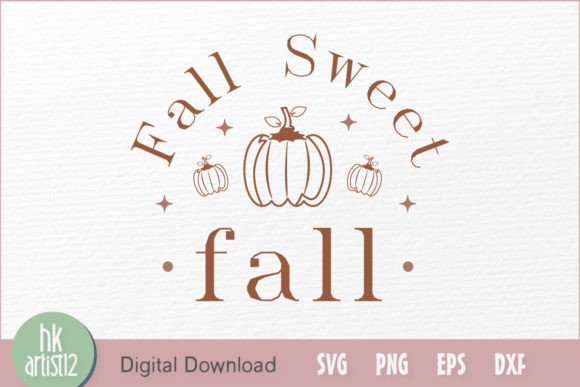
The first impression of this design is its mood. It captures that specific, nostalgic warmth of the season without relying on clichés. The layout feels balanced, offering a visual personality that is both playful and polished. For embroidery designers and small business owners, this distinction matters. You are not just selling a stitch-out; you are selling a feeling. This retro autumn aesthetic fits naturally into the current trend of vintage-inspired home decor and apparel, making it a strong candidate for your next craft business lineup.
Visualizing the Stitch-Out
When I evaluate a graphic like this, I immediately start mentally mapping it onto physical items. The 6x6 inch dimensions provided in the file specifications are versatile. This size is large enough to make a statement on a tote bag design but small enough to fit comfortably on the chest of a sweatshirt. Imagine preparing a custom embroidered tote bag for a local farmers' market. The transparent background of the PNG file allows you to visualize how the design sits against different fabric colors before you even thread the machine.
For Etsy sellers, versatility is key. This design works exceptionally well for personalized gifts. Picture it stitched onto a kitchen towel or an apron. The retro vibe pairs beautifully with natural linen or cotton canvas. However, because this is a graphics file package including EPS, SVG, PNG, and DXF formats, you have flexibility. If you are using it for heat transfer vinyl (HTV) alongside embroidery, the SVG and DXF files are crucial. But for pure machine embroidery design work, you will need to ensure your digitizing software can interpret these vectors correctly if you are converting them, or use them as reference overlays if you are stitching over a printed base.
Performance on Different Fabrics
One of the most critical aspects of any embroidery project is how the design interacts with fabric texture. Fall Sweet Fall appears to have a moderate level of detail. On stable fabrics like denim or heavy cotton twill, it should hold its shape well. The lines look clean, which suggests that satin stitch elements—if digitized properly—will lay flat and shiny. However, when moving to stretchy fabric like jersey knits for t-shirts or baby clothes, caution is required.
If you plan to use this for baby embroidery, such as on a onesie or a soft blanket, you must prioritize your stabilizer choice. A cut-away stabilizer is often safer than tear-away for garments that will undergo frequent washing. The design’s clarity depends on the contrast between thread colors and the base material. On dark fabric, you might need to adjust your thread palette to ensure the retro colors pop without losing definition. I always recommend testing the design on scrap fabric first, ideally using the same material and stabilizer combination you intend to use for the finished product.
Commercial Viability and Brand Consistency
For commercial embroidery projects, consistency is everything. Your customers buy from you because they trust the quality of your handmade product. A design like Fall Sweet Fall can enhance brand consistency if it aligns with your shop’s aesthetic. If your small shop product line focuses on cozy, seasonal items, this graphic is a perfect fit. It adds value to simple items like pillow covers or caps, turning a basic accessory into a boutique item.
However, we must address the technical specifics. The product description notes that you receive EPS, SVG, PNG, and DXF files. It does not explicitly list native embroidery machine formats like PES, DST, or JEF. This is a crucial distinction for embroidery designers. If you are buying this as a graphics asset to digitize yourself, these vector files are excellent starting points. You can trace the shapes in your digitizing software to control stitch density, underlay, and pull compensation. If you expect pre-digitized embroidery files, you may need to convert these vectors or check if the seller offers additional formats. Always confirm licensing before selling finished items or digital products derived from these assets.
Practical Notes for the Maker
Before you commit to a large batch of holiday embroidery items, consider these practical steps:
- Check Thread Color Contrast: Run a black and white mockup of the design. If the details disappear in grayscale, they may get lost in low-light conditions or on busy fabric patterns.
- Review Stitch Density: If you are digitizing from the SVG or EPS, avoid making the fill stitch too dense. High density can cause puckering, especially on lighter weight fabrics used for tea towels or nursery decor.
- Test Hoop Size Compatibility: While the design is 6x6 inches, ensure your machine’s hoop can accommodate this area with enough margin for stabilization. Smaller hoop sizes might require scaling down, which could affect the readability of any tiny lettering or intricate corners.
- Inspect Small Details: Zoom in on the vector files. Are there nodes that are too close together? These can cause thread breaks or bird nests during stitching. Clean up the paths before digitizing.
Final Thoughts on Usability
Fall Sweet Fall is more than just a seasonal graphic; it is a tool for creating connection. Whether you are making a wedding gift with an autumn theme or stocking your Etsy store with fall-ready apparel, the design’s retro charm offers a professional look that resonates with buyers. It avoids the cluttered look that plagues many amateur designs, offering instead a clean, intentional layout.
Remember, the success of any embroidery project lies in the preparation. Use the high-resolution PNG for your printable mockups and social media previews to gauge customer interest. Use the vector files to create precise digitized versions that respect the limitations of your machine and fabric. By treating this design as a component of a larger creative process, you elevate it from a simple download to a cornerstone of your craft business. Keep your stabilizer handy, test your tensions, and let the warm, nostalgic vibe of this design shine through in every stitch.