Review: Not Perfect Just Forgiven Retro SVG for Embroidery
As a designer who has spent countless hours digitizing and stitching out quotes, I have developed a keen eye for what works in thread versus what only looks good on a screen. When I first pulled up the Not Perfect Just Forgiven Retro SVG, my initial reaction was one of cautious optimism. The retro aesthetic is currently dominating the Crafts market, but translating that specific vintage vibe into a durable, professional-looking machine embroidery design requires careful consideration of line weight, spacing, and stitch types.
First Impressions and Visual Personality
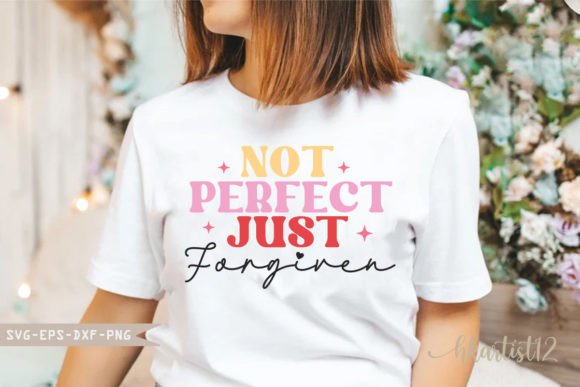
The mood this graphic creates is warm, nostalgic, and deeply comforting. It taps into the current cultural shift toward self-compassion, making it an ideal candidate for personalized gifts and boutique branding. Visually, the layout feels balanced, with a curvature that suggests movement without sacrificing readability. For an embroidery project, this is crucial. If the letters are too tightly kerned or the curves too sharp, you risk thread breaks or puckering. From a reviewer’s standpoint, the "retro" styling usually implies thicker strokes, which is excellent news for stitch stability. Thin, wispy fonts often disappear into fabric texture, but this design appears to have the visual weight necessary to stand out on various materials.
Real-World Application: The Tote Bag Test
To evaluate its practicality, I imagined applying this design to a heavy canvas tote bag, a staple item for any Etsy seller or small shop product. Canvas is unforgiving; it shows every gap in coverage and every misaligned stitch. A design like Not Perfect Just Forgiven Retro SVG needs to hold its own against the coarse weave. In this scenario, the retro boldness works in your favor. It doesn’t look like an afterthought; it looks intentional.
I also considered its use on a oversized sweatshirt. Here, the scale becomes critical. On a large garment, you want the text to be impactful but not overwhelming. The inspirational nature of the quote makes it perfect for chest-left placement or centered across the back. However, because it is a Graphics file originally intended for cutting machines, you must ensure that when converted or used as a reference for digitizing, the internal details of the letters are wide enough to accommodate a satin stitch or a dense fill stitch without becoming a tangled mess of thread.
Navigating Fabric and Hoop Constraints
While the design is versatile, there are specific situations where you need to proceed with caution. If you are working with stretchy fabrics like jersey knits for t-shirts, the stability of the text is paramount. Without proper stabilizer, the pull of the thread can distort the retro curves, making the word "Forgiven" look warped rather than stylish. I recommend using a cut-away stabilizer for these applications to maintain the integrity of the shape over time and through washes.
Another area of concern is hoop size. If you are attempting to place this on a curved surface, such as a cap or a baby onesie, you must check the dimensions carefully. Small hoop sizes limit how much of the design you can stitch at once, potentially requiring re-hooping which risks alignment errors. For baby embroidery, ensure the thread colors are soft and the stitch density is not so high that it creates a stiff, uncomfortable patch against sensitive skin. The design should feel like part of the fabric, not a plastic sticker sitting on top of it.
Commercial Viability and Brand Consistency
For commercial embroidery projects, consistency is key. Buyers engage with products that look professional and trustworthy. A muddy, poorly stitched quote can damage your brand reputation faster than a delayed shipment. This design, when executed correctly, enhances perceived value. It speaks to a lifestyle and a mindset, which helps in creating emotional connections with customers. Whether you are selling finished products or using it as part of a printable mockup for digital previews, the clarity of the message drives buyer engagement.
However, remember that this is a SVG file, primarily used for cutting vinyl or paper. If you are an apparel decorator, you cannot simply load an SVG into most embroidery machines. You likely need to digitize it yourself or purchase a dedicated embroidery file version. If you are digitizing it, pay close attention to the corners of the retro lettering. Sharp angles in vector graphics often need to be rounded slightly in embroidery to prevent thread buildup and bird-nesting. Use a combination of satin stitch for borders and fill stitch for larger areas if the design allows, ensuring a smooth transition between elements.
Practical Designer Notes for Best Results
Before you commit to a final production run, follow these practical steps to ensure quality:
- Test on Scrap Fabric: Always stitch out a sample on the same type of fabric you intend to use for the final product. This reveals issues with tension and density.
- Check Thread Contrast: Retro designs often rely on color blocking. Ensure your thread colors contrast sufficiently with the fabric background. A dark thread on dark fabric will render the message invisible.
- Review Stitch Density: If you are converting this graphic, avoid excessive density. Too many stitches per millimeter can cause puckering, especially on lighter fabrics like tea towels or aprons.
- Confirm Licensing: Since this is a digital asset, verify the license terms. Can you use it for commercial sales? Are there restrictions on the number of physical items you can produce? Never assume; always read the fine print to protect your craft business.
- Mockup in Black and White: Remove color from your preview. If the design loses its legibility in grayscale, it may rely too heavily on color contrast rather than shape definition, which is risky for embroidery where texture matters more than hue.
Final Verdict for Makers and Sellers
The Not Perfect Just Forgiven Retro SVG is a strong contender for makers looking to tap into the self-love niche. Its strength lies in its emotional resonance and bold visual style. However, its success depends entirely on execution. It is not a "load and go" solution for embroidery machines without proper preparation. For those willing to invest the time in testing stabilizers, adjusting densities, and selecting high-quality threads, this design can elevate a simple handmade product into a cherished keepsake. Whether for holiday embroidery gifts or everyday boutique merchandise, it offers a timeless appeal that, when stitched with care, reflects both professionalism and heart.