Reviewing Graduate Heartbeat SVG for Real Embroidery
As a designer who has spent countless hours digitizing and stitching out files for clients, I have learned that not every digital embroidery file is created equal. Some look stunning on a screen but fall apart under the needle. When I first pulled up the Graduate Heartbeat SVG, my initial reaction was one of cautious optimism. The concept is timely and emotionally resonant, blending the academic milestone of graduation with the universal symbol of life and passion. But does it hold up in a real-world embroidery project? Let’s break it down from the perspective of someone who has to make it work on actual fabric.
First Impressions and Visual Mood
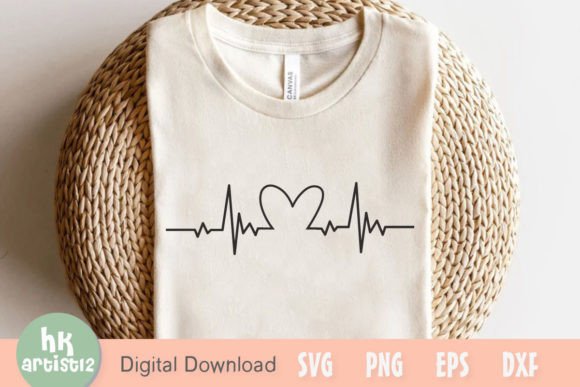
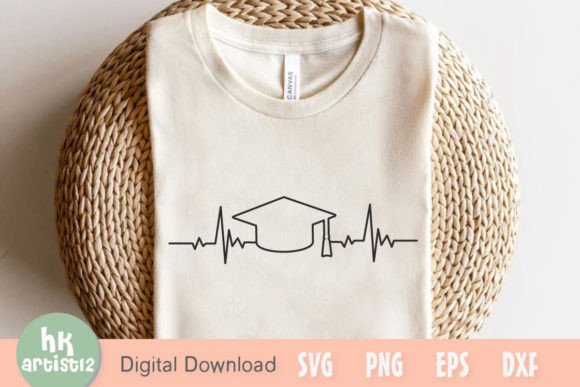
The design carries a distinct mood of celebration mixed with vitality. It is not just a standard cap and gown icon; the integration of the heartbeat line adds a dynamic flow that suggests energy and forward motion. For Crafts enthusiasts and professional decorators alike, this visual personality is crucial. It feels modern rather than dated, which is a significant advantage when creating items for recent graduates who often prefer contemporary aesthetics over traditional, stiff motifs.
In terms of layout, the balance between the text and the graphic element appears thoughtful. However, as an experienced reviewer, I immediately look for potential pitfalls. How will those thin lines of the heartbeat translate into thread? Will the lettering remain legible after the pull of the stitches? These are the questions that determine whether a design is merely a pretty picture or a viable machine embroidery design.
Real-World Application: The Tote Bag Test
To truly evaluate the Graduate Heartbeat SVG, I imagined a specific scenario: a custom order for a local boutique selling personalized graduation gifts. The client wanted a sturdy canvas tote bag design that could hold textbooks and survive a campus commute. This is where the rubber meets the road.
On a heavy cotton canvas, the design needs enough density to cover the weave without becoming so dense that it causes puckering. If this file relies heavily on running stitch for the heartbeat line, it might get lost in the texture of the fabric. Conversely, if it uses a satin stitch for the text, we need to ensure the column width is appropriate for the hoop size. A wide satin column on a curved surface like a tote handle would be disastrous, but on the flat panel of the bag, it could look luxurious and high-end.
This type of personalized gift benefits greatly from the emotional connection of the design. Parents and grandparents are likely to appreciate the symbolism, making it a strong seller for Etsy sellers and small shop product lines during the spring graduation season. The key is execution. If the stitching is clean, the perceived value of the handmade product skyrockets.
Fabric Considerations and Stitch Behavior
One must consider where this design should be used carefully. While it is marketed for various Graphics applications like mugs and stickers, our focus is on thread and fabric. On stretchy fabrics like jersey knit for a sweatshirt embroidery project, stabilization is non-negotiable. Without a proper cut-away stabilizer, the heartbeat line could distort, turning a smooth pulse into a jagged mess.
Furthermore, tiny details can be problematic. If the SVG includes very small text or intricate corners in the heartbeat line, these areas may require manual editing before stitching. Dense stitch areas in small spaces can lead to thread breaks or bird nests. I always advise testing the design on scrap fabric first, ideally in the same weight and type as the final garment. This allows you to check thread colors for contrast and ensure the stitch density is balanced.
For baby embroidery items, such as a onesie or a soft blanket, the hand feel is paramount. A design that is too dense will feel stiff and uncomfortable against sensitive skin. In such cases, checking if the file can be converted to an applique design might be a smarter route, reducing the amount of thread on the fabric while maintaining the visual impact.
Commercial Viability and Brand Consistency
For commercial embroidery professionals, consistency is key. When you sell a custom apparel item, the customer expects a certain level of professionalism. The Graduate Heartbeat SVG offers a unique niche that can help differentiate your brand from competitors using generic clip art. It speaks to a specific moment in time, making it highly relevant for seasonal marketing.
However, before listing it as a design assets for sale or using it in client work, you must verify the licensing. The product description mentions it is perfect for crafting projects, but does it allow for unlimited commercial sales of finished goods? Always confirm license terms before selling finished items. Additionally, check if the file format is compatible with your specific machine software. While SVG is versatile, some embroidery machines require specific conversions to DST, PES, or other formats.
Practical Designer Notes
Here are my top recommendations for getting the best results with this design:
- Test on Scrap Fabric: Never stitch directly on the final garment. Use a similar fabric to check tension and registration.
- Check Thread Contrast: Ensure the heartbeat line stands out against the background. On dark fabrics, use metallic or bright threads for pop.
- Inspect Small Details: Zoom in on the digital preview. Are there any nodes or points that might cause the needle to jump?
- Use Proper Stabilizer: Match the stabilizer to the fabric weight. Tear-away for stable wovens, cut-away for knits.
- Verify Hoop Size: Ensure the design fits comfortably within your hoop with adequate margin for clamping.
- Mockup in Black and White: This helps identify value contrast issues that color might hide.
In conclusion, the Graduate Heartbeat SVG has strong potential for holiday embroidery seasons and milestone celebrations. It bridges the gap between sentimental value and modern design. With careful attention to fabric texture, stabilizer choice, and stitch parameters, it can become a standout piece in your portfolio. Whether you are creating an embroidered patch for a jacket or a delicate accent on a pillow cover, this design rewards the thoughtful crafter. Just remember to do your due diligence on file compatibility and licensing, and always prioritize the tactile quality of the finished product. Happy stitching.