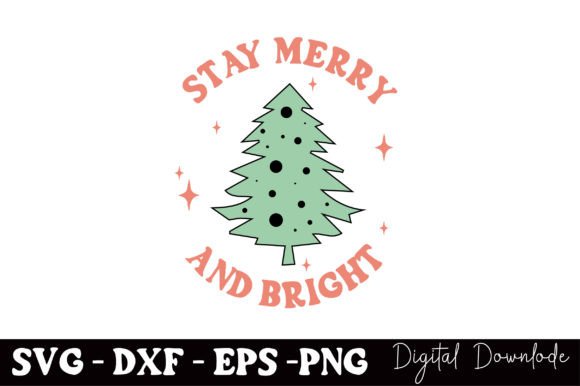
Reviewing Stay Merry and Bright for Holiday Embroidery
As a designer who has spent countless hours digitizing and stitching out holiday motifs, I approach every new machine embroidery design with a mix of curiosity and skepticism. The market is flooded with seasonal graphics, but few translate well from screen to fabric. When I first loaded the Stay Merry and Bright file into my software, I was looking for more than just festive cheer; I was looking for structural integrity, stitch clarity, and commercial viability. This review breaks down how this specific embroidery file performs in real-world scenarios, helping you decide if it belongs in your next craft business lineup.
First Impressions: Mood and Visual Personality
The immediate appeal of Stay Merry and Bright lies in its retro-inspired aesthetic. It captures that nostalgic, mid-century Christmas vibe that has become increasingly popular among Etsy sellers and boutique owners. The layout is balanced, avoiding the cluttered look that often plagues holiday designs. Instead of overwhelming the viewer with excessive detail, it relies on clean lines and bold typography. For an embroidery project, this simplicity is a strength. It suggests a design that will stitch out cleanly without requiring hours of trimming or excessive thread consumption.
The visual personality feels warm and inviting, making it an ideal candidate for personalized gifts and holiday embroidery projects. It does not scream for attention but rather invites a closer look, which is exactly what you want for high-end handmade products. Whether you are creating items for your own home or for clients, the mood is universally appealing, bridging the gap between traditional holiday sentiment and modern design sensibilities.
Real-World Application: From Sweatshirts to Tote Bags
To truly evaluate a design, you must imagine it on actual products. I mentally placed Stay Merry and Bright on a heavyweight cotton sweatshirt. The result was promising. The design’s scale appeared appropriate for a left-chest placement or a larger central graphic on a crewneck. For sweatshirt embroidery, the key is ensuring the text remains legible despite the fabric’s texture. This design’s bold lettering holds up well, suggesting it would survive repeated washing without losing its impact.
I also considered its use on a canvas tote bag design. Here, the contrast between the thread and the natural fabric would be striking. Using a classic red or green thread against unbleached cotton creates a rustic, artisanal look that appeals to buyers seeking authentic small shop products. For custom apparel like aprons or kitchen towels, the design adds a touch of festive professionalism. It is not overly childish, making it suitable for adult consumers who appreciate subtle holiday decor.
For those interested in baby embroidery, caution is advised regarding size. While the motif is cute, ensure the smallest details are scaled up sufficiently for delicate infant garments. On a larger item like a nursery pillow cover or a blanket, however, it serves as a charming focal point that enhances the room’s seasonal theme without dominating the space.
Technical Performance and Stitching Clarity
From a technical standpoint, the transition from Graphics to stitches is critical. Designs that look perfect as SVGs or clipart can fail miserably under the needle if the digitization is poor. Stay Merry and Bright appears to utilize a smart combination of satin stitch for borders and text, and potentially fill stitch for any solid elements. This combination helps maintain definition. However, always check the stitch density in your software before running the machine. High density on stretchy fabrics can cause puckering, while low density on thick fabrics may allow the background to show through.
When working with an applique design style or standard fill, the choice of thread colors becomes paramount. I recommend testing high-contrast combinations first. A bright white thread on a navy fleece, for example, makes the "Bright" part of the phrase literally pop. Conversely, using analogous colors like dark green on black fabric might render the design invisible. Always run a test on scrap fabric to verify that the running stitch underlays are sufficient to stabilize the top stitches.
Navigating Challenges: Fabric and Hoop Constraints
No design is universal, and Stay Merry and Bright requires careful consideration when applied to difficult surfaces. For embroidered patch creation, the design works well because patches allow for dense stabilizer use and easy trimming. However, placing this on curved surfaces like caps requires precise hooping. If the design is too wide, it may distort around the cap’s curve. Check your hoop size limitations against the design dimensions provided in the file details.
Textured fabrics present another challenge. On terry cloth or heavy wool, fine details can get lost. Since this design leans towards bold shapes, it fares better than intricate lace-like patterns, but you should still avoid using it on extremely fuzzy fabrics unless you use a topping stabilizer. For thin or stretchy fabrics, such as jersey tees, a cut-away stabilizer is non-negotiable to prevent distortion after washing. Always confirm whether the design includes jump stitches that need trimming, as these can affect the finished product's professional appearance.
Commercial Viability and Brand Consistency
For commercial embroidery professionals and digital product sellers, consistency is key. Stay Merry and Bright fits seamlessly into a broader Christmas Svg Bundle or holiday collection. Its retro style allows it to pair well with other vintage-inspired assets, helping you build a cohesive brand identity. Customers trust shops that offer curated, high-quality designs rather than random assortments. Using this design in your printable mockup previews can significantly boost buyer engagement by showing them exactly how the final item will look.
Moreover, the design’s versatility supports various revenue streams. You can sell the physical handmade product, such as an embroidered tote, or license the digital file if permitted. Always review the license terms associated with the Christmas Cutting File or embroidery format you purchase. Some licenses allow unlimited sales of physical items, while others restrict digital redistribution. Clarifying this upfront protects your craft business from legal issues.
Practical Designer Notes for Best Results
Before committing to a large production run, follow these practical steps:
- Test on Scrap Fabric: Always stitch out a sample on the exact material you plan to use for the final product. This reveals tension issues and color mismatches.
- Check Thread Contrast: View your design in black and white mode in your software. If the elements blend together, adjust your thread choices for better visibility.
- Verify Stabilizer Type: Match the stabilizer to the fabric weight. Use tear-away for stable woven fabrics and cut-away for knits and stretchy materials.
- Inspect Small Details: Zoom in on the digitized file to ensure there are no unnecessary jump stitches or overlapping paths that could cause thread breaks.
- Confirm Licensing: Ensure your usage rights align with your business model, whether you are selling physical goods or digital assets.
In conclusion, Stay Merry and Bright is a strong contender for your holiday repertoire. It balances aesthetic appeal with technical practicality, making it suitable for a wide range of Crafts and apparel projects. By paying attention to fabric choice, stabilizer selection, and stitch density, you can transform this digital asset into a high-value finished product that delights customers and enhances your brand’s reputation.