Reviewing The Best is Yet to Come for Embroidery
As a designer who has spent years digitizing patterns and stitching out countless samples, I approach every new machine embroidery design with a mix of curiosity and caution. We have all seen files that look stunning on a screen but turn into a tangled mess of thread breaks and puckering on fabric. Recently, I evaluated The Best is Yet to Come, a retro-motivational graphic that promises to bring inspiration to crafting projects. After reviewing the provided assets—specifically the EPS, SVG, PNG, and DXF files—I want to share my practical perspective on how this design performs in real-world applications.
First Impressions: Mood and Visual Personality
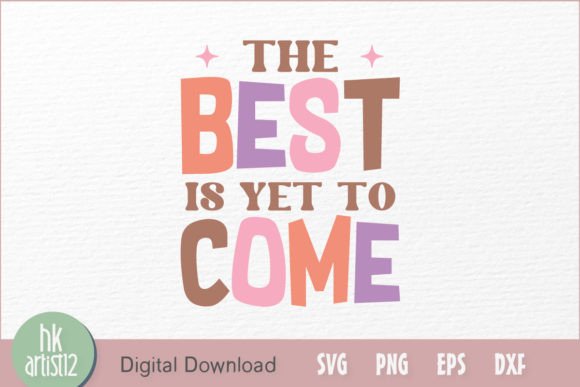
The phrase "The Best is Yet to Come" carries an inherent optimism that resonates deeply in today’s market. Visually, this design leans into a retro aesthetic, which is currently dominating trends in Crafts and home decor. The layout feels balanced, offering enough negative space to prevent the stitching from becoming too dense, which is crucial for maintaining fabric drape. When I first opened the 300 dpi PNG with its transparent background, the clarity was evident. For those of us working in digital spaces, having high-resolution Graphics allows for crisp printable mockup creation before we even thread the needle.
This isn't just a generic quote; it has a personality that fits well with vintage-inspired branding. It feels warm, encouraging, and timeless. For an Etsy seller or small shop product creator, this emotional connection is vital. Customers aren't just buying a stitched item; they are buying a feeling of hope and anticipation.
Real-World Application: From Screen to Stitch
To truly test the viability of The Best is Yet to Come, I imagined a specific scenario: creating a custom embroidered tote bag for a local boutique. Tote bags are a staple for craft business owners because they are versatile and high-visibility items. Using the SVG file, I could easily scale the design to fit a standard hoop without losing integrity. The retro typography suggests that a combination of satin stitch for the lettering and perhaps a subtle fill stitch for any decorative elements would work beautifully.
Beyond tote bags, this design shines in custom apparel. Imagine this stitched onto the chest of a heavyweight sweatshirt. The motivational message pairs perfectly with the comfort of cozy wear. It also translates well to baby embroidery projects, such as a nursery wall hanging or a personalized blanket. Parents love uplifting messages, and the soft, retro vibe avoids being overly childish, making it a gift that grows with the child. For holiday embroidery or wedding gifts, the neutral yet positive tone ensures it remains relevant long after the season passes.
Technical Considerations for Embroiderers
While the visual appeal is strong, technical execution is where many designs fail. Since the package includes a DXF file, it is likely intended for cutting machines as well, but for embroidery, we must focus on stitch behavior. If you are digitizing this yourself from the vector files, pay close attention to stitch density. Retro fonts can sometimes have thick strokes that require careful underlay stitching to prevent sinking into plush fabrics like towels or fleece.
When working with thread colors, contrast is key. On a dark navy sweatshirt, cream or gold threads will make the text pop. On a natural linen tote, earthy tones like terracotta or sage green enhance the retro feel. Always test your design on scrap fabric first. This allows you to check if the hoop size is appropriate and if the stabilizer is sufficient. For stretchy fabrics like t-shirts, a cut-away stabilizer is non-negotiable to prevent distortion over time.
Be cautious with small details. If the design includes intricate flourishes common in retro typography, ensure they are not too small for your machine’s minimum stitch length. Tiny elements can become loose threads or break easily during washing. If you are creating an embroidered patch, consider using a satin border to encase the edges, providing durability and a polished finish.
Navigating Fabric and Surface Challenges
Not every surface is created equal. While The Best is Yet to Come is versatile, it requires adaptation. On textured fabrics like waffle knit or heavy canvas, the running stitch outlines might get lost. In these cases, increasing the stroke width slightly during digitization can help maintain legibility. For curved surfaces like caps, the design needs to be warped or adjusted to account for the curvature, preventing the text from appearing distorted when worn.
Thin fabrics present another challenge. If you are stitching this on a delicate silk scarf or a lightweight summer tee, use a sheer stabilizer and reduce the tension. High-density stitching on thin material leads to puckering, which ruins the professional look of your finished product. Always inspect the back of your stitching; clean bobbin work is a hallmark of quality commercial embroidery.
Commercial Value and Brand Consistency
For digital product sellers and creative entrepreneurs, the value of this design lies in its adaptability. The inclusion of EPS and SVG files means you can use it across various platforms, from laser cutting to vinyl printing, expanding your design assets library. However, before selling any handmade product featuring this design, you must confirm the licensing terms. The description mentions it is perfect for crafting projects, but commercial usage rights should be explicitly verified to protect your business.
Using consistent, high-quality motifs like The Best is Yet to Come helps build brand recognition. When customers see a well-stitched, thoughtfully designed item, their trust in your brand increases. This design supports that by offering a clean, professional look that appeals to a broad audience. Whether it is a personalized gift for a graduate or a piece of merchandise for a corporate event, the message is universally positive.
Final Verdict for Designers
In conclusion, The Best is Yet to Come is a solid addition to any embroiderer’s toolkit. It offers a blend of emotional resonance and visual versatility. By paying attention to fabric texture, choosing the right stabilizer, and testing your embroidery file settings, you can produce stunning results. Remember to check the specific details of the DXF and vector files to ensure they meet your machine’s requirements. With careful execution, this design can elevate your craft business and delight your customers with meaningful, beautiful handmade products.