Feminist Future: A Designer’s Take on Modern Embroidery
When I first pulled up the Feminist Future design file on my screen, I wasn’t just looking at pixels; I was visualizing thread tension, fabric grain, and the final tactile experience of a finished product. As an embroidery designer who has spent countless hours digitizing and stitching for clients, I approach every new graphic with a critical eye. Does it translate well from screen to needle? Will it hold up after five washes? Is it versatile enough for a small shop owner to maximize their inventory?
This particular piece falls squarely into the Crafts and Graphics intersection, offering a blend of bold statement-making and clean aesthetic appeal. Let’s break down how this design performs in real-world scenarios, moving beyond the digital preview to the practical realities of machine embroidery.
First Impressions: Mood and Visual Personality
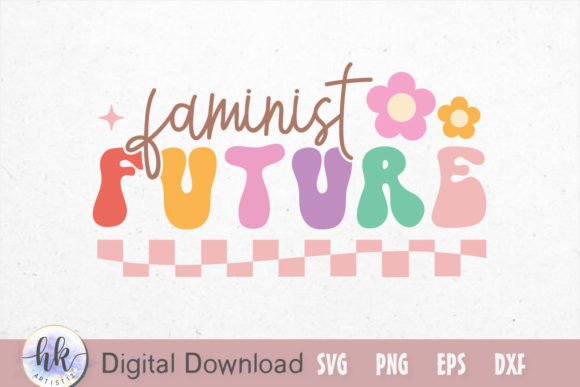
The immediate vibe of Feminist Future is empowering yet accessible. It doesn’t rely on overly complex shading or intricate micro-details that often cause headaches during stitching. Instead, it leans into strong lines and clear shapes. For an embroidery project, this is a win. Complex gradients in digital art often require excessive stitch density or confusing color changes in embroidery, but a design with strong structural integrity like this one tends to stitch out cleanly.
The layout feels balanced, which is crucial when you are working within the constraints of a hoop. Whether you are aiming for a subtle accent on a pocket or a bold centerpiece on a tote bag, the visual weight of the design seems distributed evenly. This balance ensures that the fabric doesn’t pucker excessively in one area, a common pitfall with poorly balanced graphics.
Real-World Application: From Sweatshirts to Totes
I recently considered using a similar style of graphic for a custom order involving a batch of organic cotton sweatshirts. The Feminist Future design would be ideal here. On a medium-weight fleece or French terry, the design needs enough substance to stand out without sinking into the nap of the fabric. Because this graphic appears to have solid areas, it would likely benefit from a combination of satin stitch borders and fill stitch interiors, creating a textured, premium look that customers associate with high-quality handmade products.
Beyond apparel, think about home goods. A canvas tote bag is the perfect canvas for this type of inspirational message. The sturdy weave of canvas holds stitches well, allowing the design to pop. For an Etsy seller or small shop owner, offering this as a tote bag design could drive significant engagement, especially around holidays or awareness months. The transparency of the PNG file included in the package is particularly useful here, allowing you to create printable mockups quickly to test different thread colors against various bag shades before you ever thread your machine.
Versatility Across Product Lines
- Custom Apparel: Works beautifully on t-shirts and hoodies where a central chest placement makes a statement.
- Embroidered Patches: The clear boundaries of the design make it a strong candidate for cut-and-sew patches, adding value to jackets or bags.
- Baby Embroidery: While the theme is mature, the clean lines could be adapted for nursery decor or personalized gifts for new parents who value empowerment, provided the scale is reduced appropriately.
- Kitchen Textiles: Imagine this stitched onto a flour sack tea towel. The contrast of modern typography or iconography against rustic linen creates a trendy, boutique aesthetic.
Technical Considerations and Stitching Challenges
While the design looks promising, practical application requires caution. One must consider the stitch density. If the original graphic has large solid blocks, converting them directly to fill stitches can result in a stiff, cardboard-like feel on lightweight fabrics. For a sweatshirt, this is fine. For a thin rayon tee or a silk scarf, it is a disaster. In those cases, I would recommend using an applique design technique, where the bulk of the shape is covered by fabric, and only the edges are stitched down with a satin or running stitch. This keeps the garment soft and wearable.
Another critical factor is the hoop size. The files provided include EPS, SVG, PNG, and DXF formats. However, as an experienced reviewer, I must note that these are primarily vector and raster graphic files, not native machine embroidery formats like PES or DST. This means you will need to digitize the design or use software to convert these vectors into stitch files. During this conversion, pay close attention to small details. Tiny lettering or intricate corners can easily get lost if the stitch length is too long or if the needle jumps too frequently. Always test on scrap fabric first.
Navigating Fabric and Stabilizer Choices
The success of Feminist Future depends heavily on your stabilizer choice. For stretchy fabrics like jersey knits, a cut-away stabilizer is non-negotiable to prevent distortion. For woven fabrics like canvas or denim, a tear-away might suffice, but a mesh cut-away provides better long-term stability for items that will be washed frequently. Dark fabrics present another challenge; if the design relies on light thread colors, ensure your underlay stitches are sufficient to prevent the dark fabric from showing through the top stitches.
Commercial Value and Brand Consistency
For craft business owners and digital product sellers, the versatility of this asset is key. Having access to SVG and EPS files allows you to create cohesive branding across different mediums. You can use the same graphic for a vinyl decal on a water bottle and an embroidered patch on a hat, ensuring brand consistency. This cross-platform usability increases the perceived value of the design assets.
Furthermore, inspirational designs tend to foster higher buyer engagement. Customers often buy these items not just for utility, but for identity expression. A well-executed embroidered piece signals quality and care, building customer trust. When a buyer receives a personalized gift that features crisp, clean stitching and a meaningful message, they are more likely to leave positive reviews and return for future purchases.
Final Verdict for Makers
Before you commit to a large production run, take the time to review the license terms. The description mentions usage for crafting projects, but always confirm whether commercial sales of finished physical items are permitted, especially if you are an Etsy seller or boutique owner. Additionally, since the package includes DXF and vector files, you have the flexibility to adjust sizes, but remember that scaling up too much may reveal pixelation in the PNG or require re-digitizing for optimal stitch flow.
In summary, Feminist Future offers a strong foundation for a variety of embroidery projects. Its clean aesthetic translates well to thread, provided you manage stitch density and stabilizer choices correctly. Whether you are creating holiday embroidery for gifts or stocking your small shop with year-round bestsellers, this design has the potential to become a staple in your portfolio. Test it, tweak it, and let the quality of your stitching do the talking.