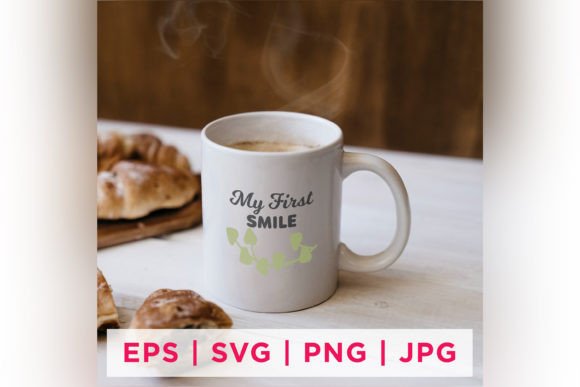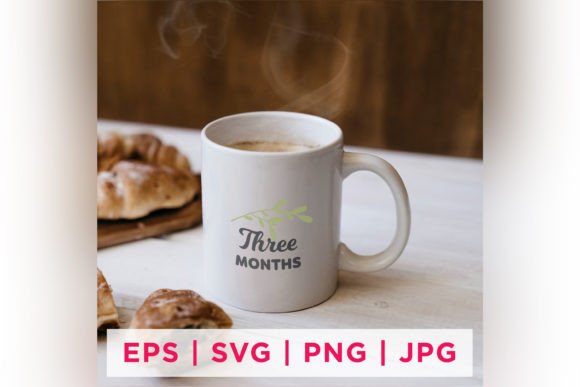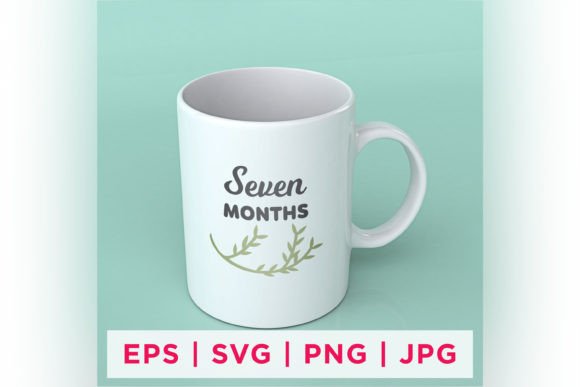
Reviewing the My First Tooth Baby Milestone Design
As a designer who spends more time staring at stitch maps than actual fabric, I have learned that not every cute graphic translates well into thread. When I first pulled up the My First Tooth Baby Milestone Design, my initial reaction was one of cautious optimism. In the world of Crafts and digital Graphics, baby-themed assets are everywhere, but finding one that balances sentimental charm with technical embroidery viability is rare. This design promises to be a companion for parents documenting growth, but does it hold up under the needle?
First Impressions and Visual Personality
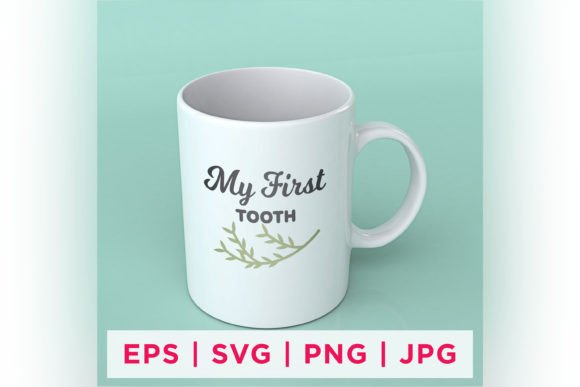
The layout of this design immediately suggests a soft, celebratory mood. It avoids the cluttered look that plagues many milestone graphics, opting instead for a cleaner composition that should read clearly even at smaller scales. The visual personality is gentle, which is essential for baby items. However, as an experienced reviewer, I look past the pretty preview images. I ask myself: how will those curves translate into a satin stitch? Will the text remain legible when compressed into a four-inch hoop?
The design feels like it belongs on something tactile and cherished. It is not just a digital file; it is a potential heirloom. The spacing between elements suggests thoughtful planning, which usually indicates that the digitizer considered stitch direction and pull compensation. This is a good sign for anyone looking to create a high-quality handmade product.
Real-World Application: The Custom Tote Test
To truly evaluate this machine embroidery design, I imagined a specific real-life scenario. A client wants a custom tote bag design for a new mom’s hospital bag or a keepsake storage sack for baby mementos. This is a perfect use case for the My First Tooth Baby Milestone Design. Canvas tote bags provide a stable, medium-weight fabric that handles embroidery well without excessive puckering.
In this context, the design acts as a focal point. If I were stitching this onto a natural cotton canvas, I would likely choose a contrasting thread colors palette—perhaps a soft pastel blue or pink against the neutral background, or a crisp white for a subtle, elegant look. The design’s structure seems robust enough to handle the texture of canvas, provided the right stabilizer is used. For a project like this, a cut-away stabilizer would ensure the finished product maintains its shape after repeated washing and use.
Apparel and Soft Goods Considerations
Beyond totes, this design shines in custom apparel. Imagine it embroidered on the chest of a organic cotton onesie or the sleeve of a toddler’s sweatshirt. Here, the stakes are higher. Baby embroidery requires extreme attention to comfort. If the stitch density is too high, the patch of stitches can feel stiff and scratchy against delicate skin. Based on the visual complexity of this design, it appears moderate in density, which is promising. However, I would strongly advise testing it on scrap fabric first to ensure the backside is clean and free of bulky jump stitches.
For sweatshirt embroidery, the design offers a nice pop of personality. Fleece and French terry fabrics can be tricky due to their pile, but a well-digitized design like this should sit on top of the fabric rather than sinking in. Using a tear-away stabilizer with a topping might be necessary to keep the stitches from getting lost in the fuzz.
Technical Challenges and Where to Be Careful
While the design is versatile, it is not without its limitations. Any designer considering this for commercial use needs to be aware of where it might struggle. First, consider hoop size. If you attempt to shrink this design significantly to fit on a tiny embroidered patch or a hat front, the finer details and lettering may merge. Small text in embroidery is notoriously difficult; if the letters become too small, they lose definition and become unreadable blobs of thread.
Additionally, be cautious with stretchy fabrics. If you are applying this to a ribbed knit or a very thin jersey, the tension of the stitches can cause distortion. Always hooping with adequate stabilization is non-negotiable here. Dark fabrics also present a challenge if the design relies on light-colored threads for detail. You must check thread contrast carefully. A quick black-and-white mockup test can reveal if the design has enough tonal variation to stand out on dark backgrounds.
Value for Craft Businesses and Etsy Sellers
For the Etsy seller or small shop owner, this design represents more than just a pretty picture; it is a tool for customer engagement. Parents love personalized milestones. Offering a personalized gift option using this design can increase the perceived value of your small shop product. It fits seamlessly into categories like holiday embroidery gifts, nursery decor, or baptism presents.
However, professionalism is key. Your brand consistency depends on the quality of the finished stitch-out. A sloppy execution of a beautiful design will hurt your reputation faster than a simple design done perfectly. Ensure that your finished product looks crisp. Trim all jumps, press the item properly, and present it in a way that highlights the craftsmanship. This design can help build buyer trust if executed well, leading to repeat customers and positive reviews.
Practical Designer Notes
Before you commit to selling items made with this digital embroidery file, take these practical steps:
- Test on Scrap Fabric: Never stitch a new design directly on final customer goods. Run it on similar fabric to check for puckering or thread breaks.
- Check Licensing: Confirm whether the license allows for commercial use. Just because you bought the design assets does not always mean you can sell the physical items. Read the terms carefully.
- Verify File Formats: Ensure the download includes the format compatible with your machine (PES, DST, JEF, etc.). The product description mentions it is a companion for parents, but technical specs like exact stitch count are not listed here, so verify these in the file properties before purchasing or downloading.
- Contrast Check: Test the design on both light and dark fabrics to ensure visibility.
- Stabilizer Selection: Match your stabilizer to your fabric. Cut-away for knits and frequent wash items; tear-away for stable wovens.
Final Verdict
The My First Tooth Baby Milestone Design is a solid addition to any embroidery designer’s library. It bridges the gap between sentimental value and technical feasibility. While it requires careful handling regarding size and fabric choice, its potential for creating meaningful commercial embroidery products is high. For makers who prioritize quality and attention to detail, this design offers a reliable foundation for creating memorable keepsakes. It is not just a graphic; it is a starting point for storytelling through thread. Use it wisely, test it thoroughly, and let it elevate your craft business offerings.