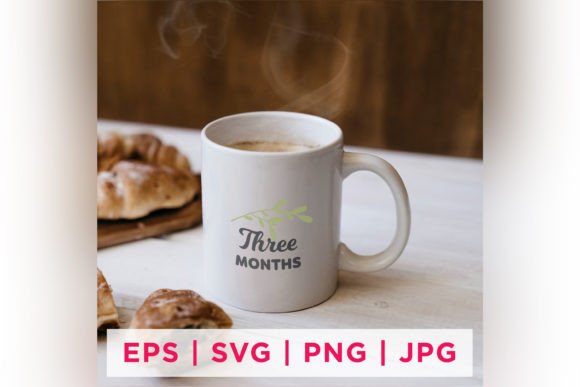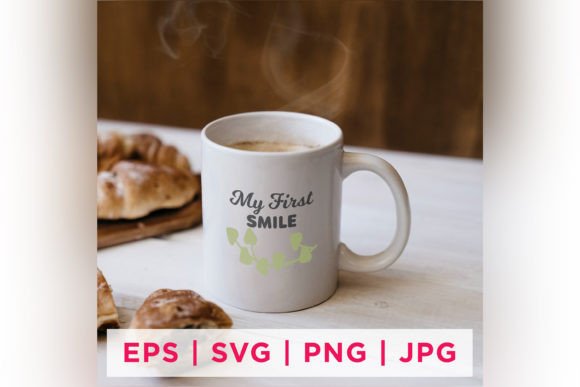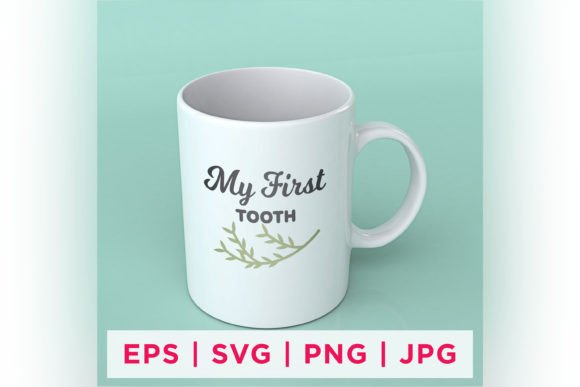
Reviewing the Seven Month Baby Milestone Design
As a designer who spends more time staring at digitized stitch paths than actual fabric, I have learned to be skeptical of trendy graphics. We see thousands of digital embroidery file options flood the market every month, promising instant sales for Etsy sellers and quick wins for craft business owners. However, when I pulled up the Seven Month Baby Milestone Design for a recent client project, my initial reaction was not just about the trendiness of the subject matter, but about its structural integrity on the hoop.
The concept is simple: documenting a baby’s growth is a huge industry within the Crafts sector. Parents want tangible memories, and we provide them through thread and needle. But does this specific design hold up under the mechanical stress of a high-speed embroidery machine? Let’s break down how this Graphics asset performs in a real-world embroidery project.
First Impressions and Visual Personality
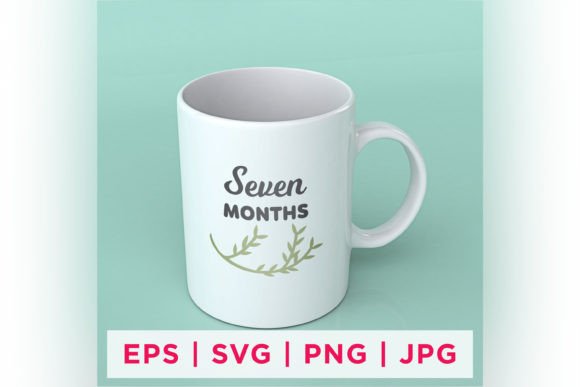
The first thing I noticed about the Seven Month Baby Milestone Design is its clean layout. In the world of machine embroidery design, clarity is king. Many milestone designs suffer from cluttered typography or overly complex illustrations that turn into a muddy mess once stitched out. This design, however, maintains a balanced negative space. It feels modern and minimal, which is crucial because modern nursery decor leans heavily toward neutral tones and simple lines.
The mood it creates is celebratory yet calm. It doesn’t scream for attention with chaotic elements; instead, it invites the viewer to focus on the number seven and the accompanying milestone quote. For an embroidered patch or a direct-to-garment application, this visual personality is a strength. It suggests professionalism and thoughtfulness, two traits that build customer trust in a small shop product.
Real-World Application: The Custom Sweatshirt Test
To truly evaluate this design, I didn’t just look at the preview image. I simulated its use on a popular item: a custom baby sweatshirt. This is a staple for any personalized gift business. The goal was to create a finished product that a parent would keep for years, not just wear once.
When placing the Seven Month Baby Milestone Design on the chest area of a toddler-sized garment, the scale felt appropriate. It wasn’t so large that it distorted the fabric drape, nor so small that the details got lost. The design naturally lends itself to sweatshirt embroidery because the thicker fabric of a fleece or cotton blend can support the necessary stitch density without puckering. If you are planning to use this for a tote bag design, the same principles apply, though you must be mindful of the handle placement to ensure the design remains visible when the bag is hung.
I also considered its use on a kitchen towel or apron for a "new mom" care package. Here, the design acts as a functional piece of art. It transforms a standard household item into a cherished keepsake. This versatility is what makes a strong design asset valuable for commercial use.
Technical Considerations for Stitching
Now, let’s talk about the nuts and bolts. As an experienced reviewer, I always warn fellow makers to check the technical specs before hitting "start." Since the provided description for the Seven Month Baby Milestone Design does not list exact stitch counts or file formats, you must verify these details with the seller. However, based on the visual complexity, here are my practical notes:
- Stitch Density and Type: Look closely at the text elements. Are they using a satins stitch or a fill stitch? For small lettering, a satin stitch provides crisp edges, but if the letters are too wide, they may snag. Ensure the digitizer has used appropriate underlay stitches to prevent shifting.
- Fabric Texture: This design works best on smooth to medium-texture fabrics. Avoid highly textured materials like terry cloth unless you use a significant amount of topping. On stretchy fabric, such as jersey knits for baby onesies, a cut-away stabilizer is non-negotiable to maintain shape after washing.
- Thread Colors: The design’s impact relies heavily on contrast. Test it in black and white mockups first. If the design uses subtle color shifts, ensure your thread colors have enough distinction. Pastel threads on white fabric might disappear, ruining the legibility of the milestone message.
- Hoop Size: Confirm the required hoop size. While it looks compact, some milestone designs include decorative borders that expand the footprint. Always measure your garment’s printable area to avoid hooping issues.
Where to Use It Carefully
Not every surface is friendly to this type of baby embroidery. I would advise caution when applying this to curved surfaces like caps. The rigid nature of milestone text can distort on the front panel of a hat if the stabilizer isn’t perfectly tuned. Additionally, avoid using this on thin, delicate silks or rayons unless you are an advanced embroiderer. The stitch density required to make the text readable might cause puckering or tearing on fragile materials.
Also, consider the washing frequency. Baby items get washed often. If the design uses long satin stitches without proper tack-down points, they may loop over time. Always test on scrap fabric first to check for pull-out or fraying after a wash cycle.
Boosting Brand Value and Customer Engagement
From a business perspective, the Seven Month Baby Milestone Design is more than just a pattern; it is a tool for storytelling. When customers browse an online store, they are buying into a feeling. A well-executed milestone design signals that the maker understands the emotional weight of these moments. This builds brand consistency and encourages repeat buyers who return for the next month’s design.
For commercial embroidery projects, this design can be part of a larger collection. Offering a bundle of monthly milestones increases the average order value. It also works beautifully for printable mockup previews, allowing you to showcase the design on various products without stitching every single sample.
Final Verdict for Makers
The Seven Month Baby Milestone Design is a solid addition to any crafts library, provided you approach it with technical diligence. It offers a clean, modern aesthetic that fits well with current trends in custom apparel and nursery decor. Its strength lies in its simplicity, but that simplicity demands precision in execution.
Before you list this as a small shop product or use it for a client’s holiday embroidery gift, take the time to review the license terms. Ensure you have the rights for commercial embroidery if you plan to sell finished goods. Check the file formats to ensure compatibility with your machine. And most importantly, stitch a test sample. Feel the texture, check the back for messy jumps, and wash it. If it holds up, you have a winner that will delight parents and elevate your portfolio.
In the end, successful embroidery is about balancing artistic vision with mechanical reality. This design offers a great canvas for that balance, making it a worthy choice for serious makers and hobbyists alike.