Mom Ster: A Designer’s Take on This Halloween Graphic
As someone who has spent countless hours staring at digitizing software and watching needles punch through fabric, I have developed a keen eye for what makes a machine embroidery design truly work in the real world. It is not just about how it looks on a screen; it is about how it translates to thread, how it holds up after washing, and whether it adds genuine value to a handmade product. Recently, I took a close look at Mom Ster, a graphic asset that has been circulating among crafters and Etsy sellers. While it is marketed broadly within Crafts and Graphics, my focus was strictly on its viability for actual stitching projects.
First Impressions and Visual Personality
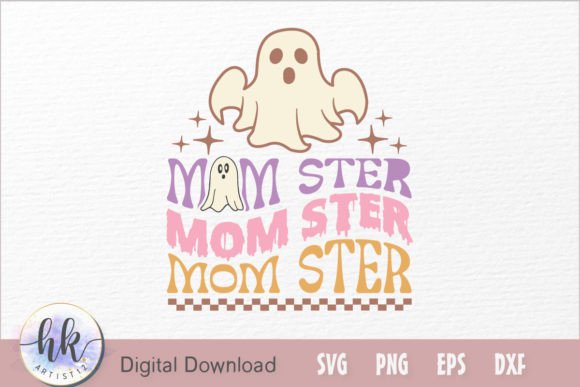
The first thing that strikes you about Mom Ster is its bold, playful attitude. It does not try to be subtle. The typography and layout suggest a mix of humor and seasonal spirit, making it an instant candidate for holiday embroidery. When I opened the files, I noted that the package includes an EPS, a high-resolution PNG, an SVG, and a DXF. For those of us working primarily with embroidery machines, this file structure requires a specific workflow. Since there is no native PES or DST file mentioned, this graphic serves as a foundation for manual digitizing or conversion rather than a plug-and-play embroidery file.
The visual personality is clean and modern. The lines are distinct, which is crucial when you are planning to convert vector shapes into stitch paths. A messy graphic leads to messy stitching. Mom Ster, however, offers clear boundaries. This clarity is essential for maintaining stitching integrity, especially if you plan to use satin stitch borders or fill stitch backgrounds. The design feels like it belongs on something casual yet trendy, perfectly suited for the current market demand for personalized, witty apparel.
Real-World Application: The Tote Bag Test
To evaluate Mom Ster properly, I imagined a real-life scenario: creating a custom tote bag design for a local fall festival. Tote bags are a staple for small shop products because they are practical and offer a large, flat canvas. I visualized placing Mom Ster centrally on a heavy cotton canvas. The 12x12 inch resolution of the provided PNG ensures that if I were to print a transfer or use it as a reference for hand-guided machine work, the edges would remain crisp.
In this context, the design shines. It is large enough to make a statement but simple enough that it does not require excessive stitch counts, which keeps production time low—a critical factor for any craft business. If I were digitizing this from the provided SVG or DXF, I would likely opt for a combination of running stitch for fine details and a light fill stitch for larger areas to prevent puckering. The result would be a durable, eye-catching accessory that customers would feel proud to carry.
Navigating Fabric and Hoop Constraints
While Mom Ster is versatile, it is not without its challenges. As an experienced reviewer, I must point out where caution is needed. If you are planning to use this on a sweatshirt embroidery project, the texture of the fleece can obscure fine details. You would need to adjust your stitch density and possibly use a cutaway stabilizer to ensure the design does not sink into the nap of the fabric.
Similarly, using this on curved surfaces like caps requires careful hoop placement. The design’s width might exceed standard cap frames, so scaling it down could compromise legibility. Tiny lettering or intricate corners in the original graphic could become lost if the scale is reduced too much. For baby embroidery, such as on onesies, you must ensure that the stitch type is soft and that no dense areas irritate sensitive skin. A lighter touch with thread colors and a softer stabilizer would be mandatory here.
Dark fabrics present another consideration. If you are stitching Mom Ster onto black or navy material, you must plan your underlay stitches carefully to prevent the fabric from showing through. This is where the transparent background of the PNG file is less useful, and the vector nature of the SVG or DXF becomes vital for defining exact color blocks and stitch boundaries.
Commercial Viability and Brand Consistency
For commercial embroidery professionals and Etsy sellers, the appeal of Mom Ster lies in its marketability. Halloween and autumn-themed items have a short but intense sales window. A design that is instantly recognizable and emotionally engaging drives buyer engagement. Mom Ster fits this bill by offering a fun, relatable theme that resonates with parents and gift-givers alike.
However, professionalism is key. Using a graphic like this requires ensuring that the final finished product looks polished. This means testing the design on scrap fabric first to check for pull compensation and thread breaks. It also means verifying that the design aligns with your brand’s aesthetic. If your brand is known for delicate, vintage styles, Mom Ster might feel out of place. But if your brand leans toward bold, modern, and humorous, it is a perfect fit.
Practical Notes for the Embroiderer
Before you commit to stitching Mom Ster on a client’s garment, consider these practical steps:
- Check Licensing: Since the product description mentions usage for crafting projects, confirm whether commercial use is permitted for the finished physical items you sell. Do not assume digital resale rights unless explicitly stated.
- Digitize with Care: If you are converting the SVG or DXF, pay attention to node points. Smooth curves reduce needle jumps and improve the look of satin stitch elements.
- Test on Similar Fabric: Always run a test stitch-out on the same type of fabric you intend to use. A printed mockup can only tell you so much about how thread interacts with fabric texture.
- Contrast Matters: Choose thread colors that stand out against the background. High contrast enhances readability and visual appeal.
- Stabilizer Selection: Match your stabilizer to the fabric weight. Heavy denim needs different support than lightweight cotton.
In conclusion, Mom Ster is a strong contender for your next embroidery project. It offers the flexibility of vector files for customization and the clarity needed for high-quality stitching. Whether you are creating a personalized gift, a boutique embroidered patch, or a line of custom apparel, this design provides a solid foundation. Just remember that the quality of the final product depends heavily on your digitizing skills and material choices. Treat it with the respect it deserves, and it will serve your design assets library well.